Blog
Notes on siting studies, alignments and constraint layers.
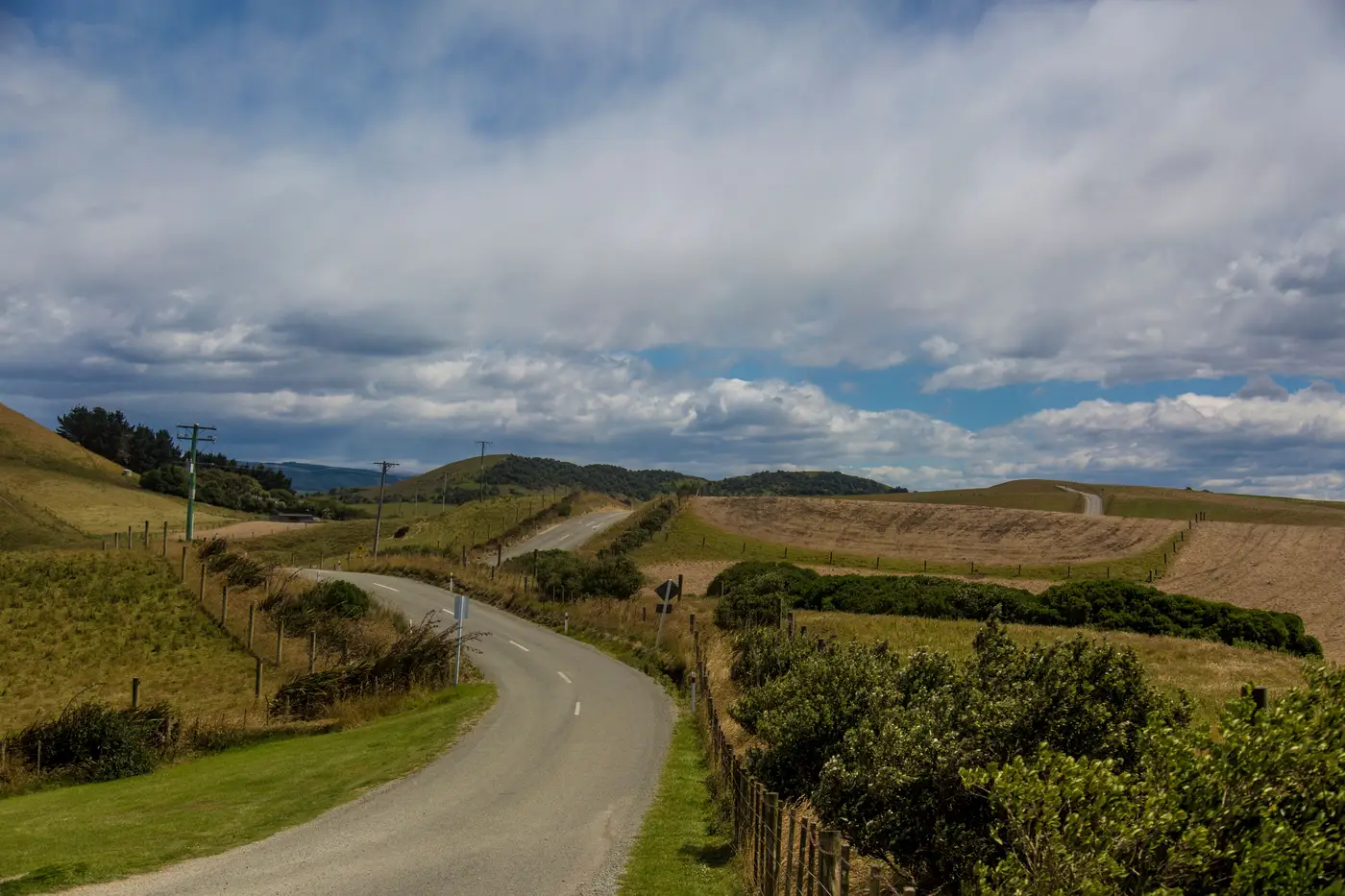 Nov 16, 2026Field notes: the week the built-up mask found a subdivision the plan set didn'tA design team's base mapping missed a new subdivision on a candidate alignment. Notes on why plan sets go stale and what catches it before survey.
 Nov 16, 2026Screening candidate highway alignments for prime farmland impactHow design engineers can screen corridor alignments for prime farmland impact before survey, using land cover and built-up masks instead of manual GIS overlay.
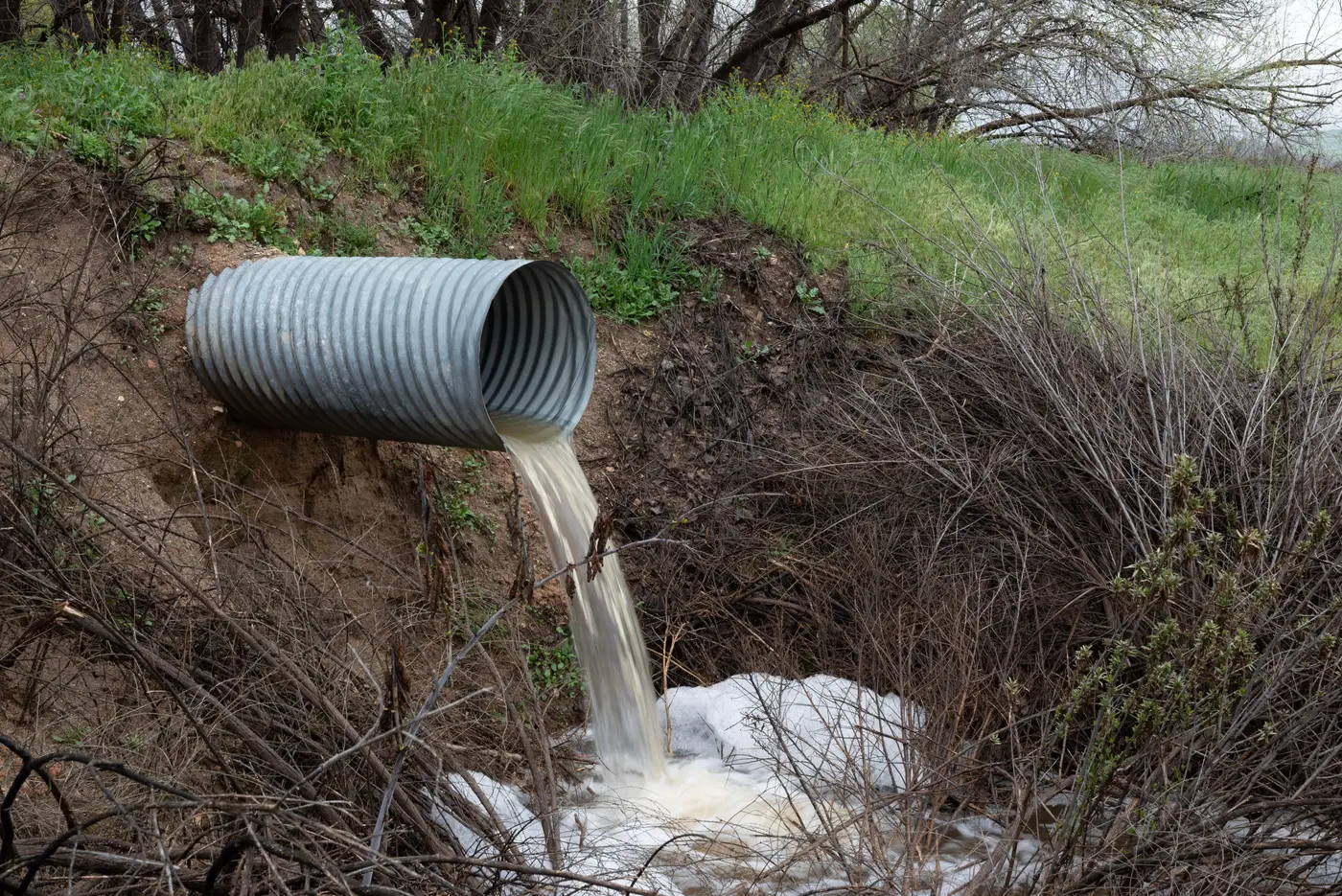 Nov 9, 2026Floodplain vs wetland crossing: which rules out an alignment firstFloodplain or wetland: which constraint rules out a candidate alignment first in desktop corridor screening, and how to sequence the pass.
- Nov 9, 2026How to factor right-of-way cost into a candidate alignment rankingA way to weigh parcel acquisition cost against construction cost when screening candidate corridor alignments, before survey confirms either number.
- Nov 2, 2026Field notes: the alignment that pencilled on paper and died at the first culvertA field-notes account of a desktop-screened corridor alignment that fell apart at a drainage crossing, and what that gap in early screening actually costs.
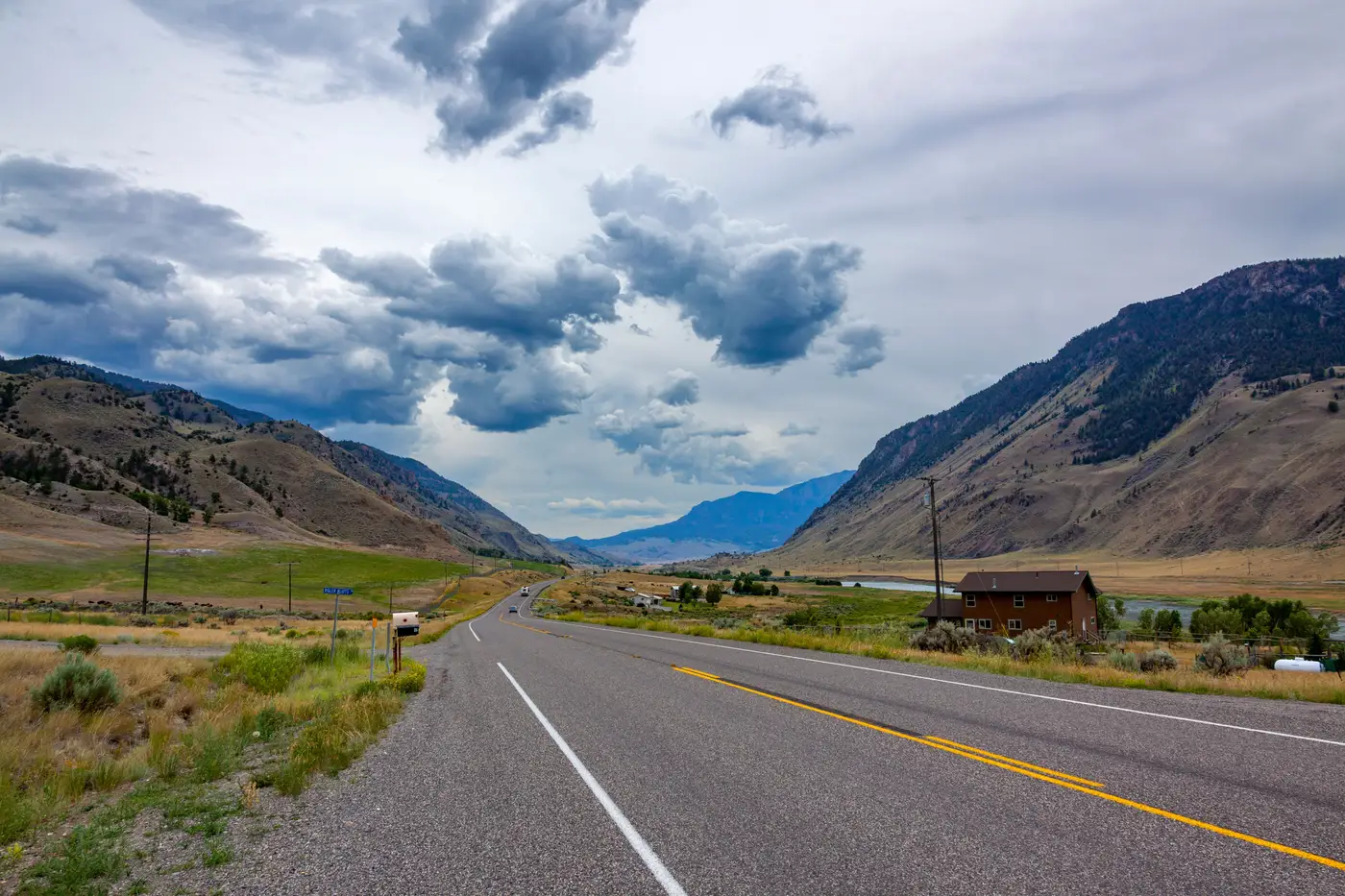 Nov 2, 2026How to brief a field survey crew off a constraint-scored corridor mapA design engineer's guide to handing a constraint-scored alignment map to a survey crew without losing the reasoning behind the score.
 Oct 26, 2026How to screen pipeline route alignments with satellite land cover dataA desktop-study method for ranking candidate pipeline alignments using land cover, slope and built-up masks before field survey crews mobilize.
- Oct 26, 2026What slope gradient disqualifies a road alignment before surveyNo universal grade number kills an alignment. Here's how design engineers read slope, land cover and built-up constraints before committing survey budget.
- Oct 19, 2026Field notes: the week a slope mask killed the alignment everyone likedA design engineer's field notes on how a slope layer ended the favored corridor alignment before survey crews mobilized.
 Oct 19, 2026What is a built-up mask in corridor screening?A plain explanation of built-up masks: what they flag, how satellite imagery builds them, and why design engineers check them before survey.
- Oct 14, 2026How many candidate alignments should a corridor feasibility study compare?A working answer for design engineers: how many route alternatives to carry into feasibility, and how to narrow the list before survey crews mobilize.
- Oct 14, 2026What a no-build alternative does in route screeningWhat the no-build alternative means in NEPA alternatives analysis, why it stays in the document, and how it shapes how you score candidate alignments.
- Oct 13, 2026How to set pass/fail thresholds for a route-screening scoreHow design engineers set pass/fail cutoffs on a route-screening score, from hard disqualifiers to calibrating against a built corridor.
- Oct 13, 2026What is a weighted overlay analysis in route screening?A plain explanation of weighted overlay analysis for corridor screening: how layers get scored, weighted, and summed before survey crews mobilize.
- Oct 8, 2026Desktop study vs field reconnaissance: when to send a crew to ground-truth an alignmentWhat a desktop study rules out before survey, and the specific triggers that mean it's time to put boots on a candidate alignment.
- Oct 8, 2026Horizontal alignment vs vertical alignment: what's the differenceHorizontal alignment is the plan view route; vertical alignment is the profile. Here's how design speed ties the two together.
- Oct 8, 2026How to read a USGS slope map for early road alignment screeningHow USGS slope maps are built from DEM data, the slope-percent thresholds for roadway grading, and where DEM-derived slope stops telling the full story.
- Oct 8, 2026What is a fatal flaw analysis in alignment screening?Fatal flaw analysis rules out doomed corridor alternatives before survey crews and preliminary design budget get committed to them.